Shukran, Inshallah, and everything in between
Before going to Morocco, I thought I would mostly get by with English.
That idea lasted… not very long.
Pretty quickly, I realised that one of the first words we kept hearing everywhere was “bonjour.” Not Arabic. Not English. Just a very casual, very normal bonjour.
And that was my first little language surprise in Morocco.
Wait – why is everyone speaking French?
If you’ve never been to Morocco before, this can actually be a bit confusing at first.
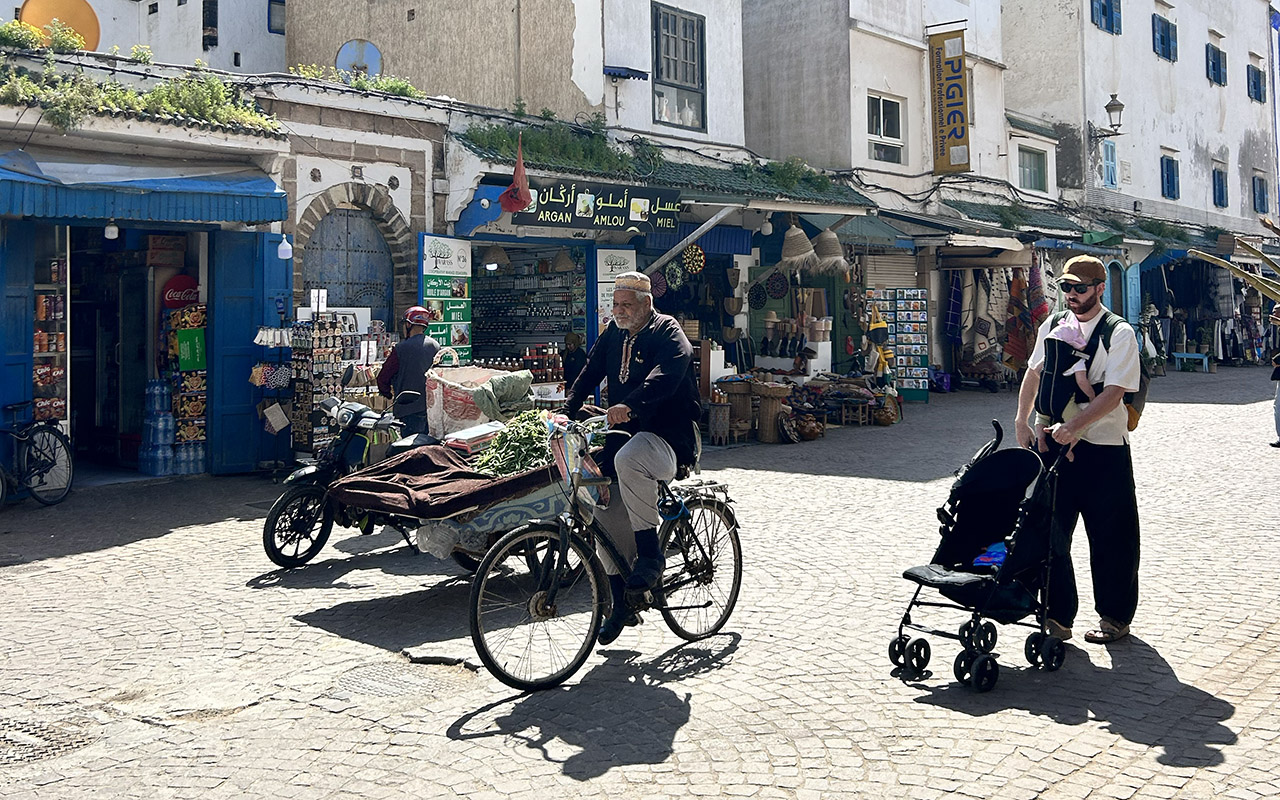
Morocco’s official languages are Arabic and Amazigh (Berber), but in everyday life, French is everywhere too – especially in shops, restaurants, road signs, menus, SIM card stores, and all kinds of practical situations.
So even if you come expecting mostly Arabic, what you often end up hearing is a mix of:
• Darija (Moroccan Arabic)
• French
• sometimes Spanish
• and sometimes a little English
• and often… all of them in one conversation 😄
Honestly, after a while, Morocco starts sounding like its own beautiful language cocktail.
My Duolingo era in Morocco
At some point during the trip, I realised I should probably make at least a small effort.
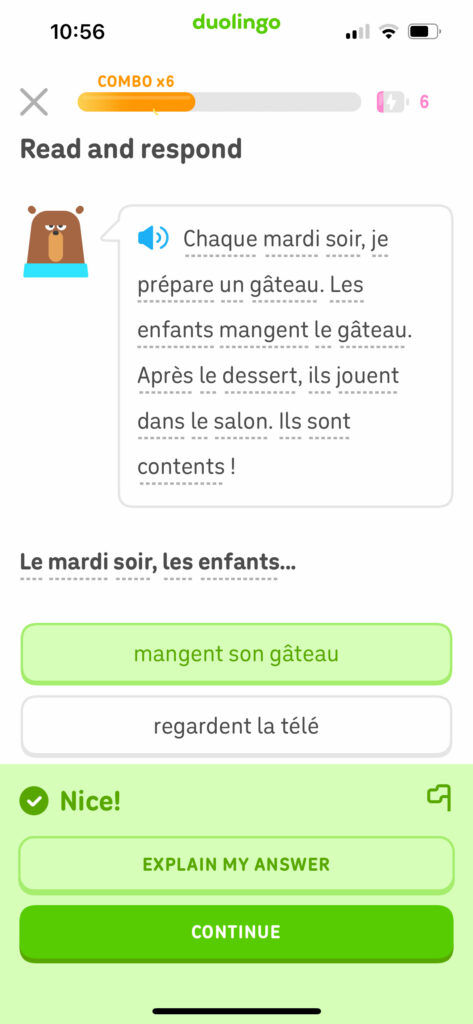
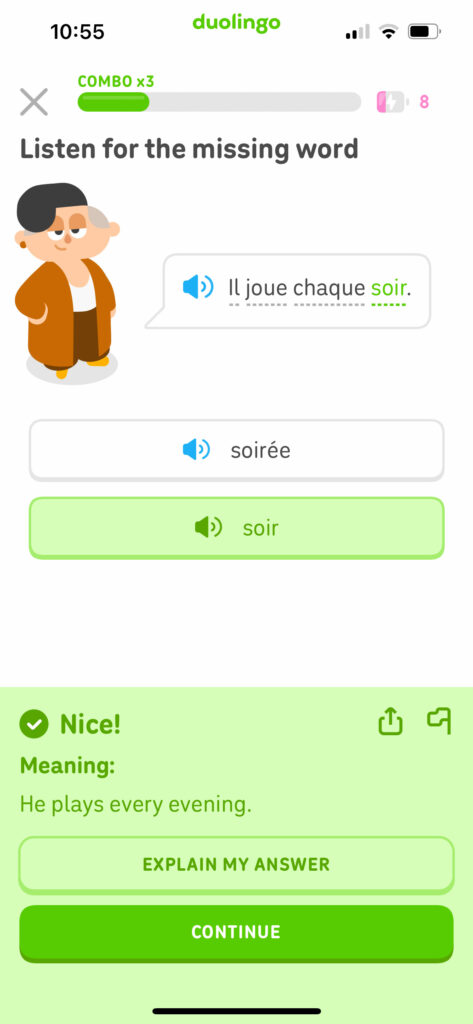
So I started doing French lessons on Duolingo while we were travelling.
Technically, I had learned French in high school once upon a time… but let’s just say very little of it had survived into adulthood 🤪
So there I was, casually trying to rebuild my entire French vocabulary from a campervan, one confused green owl lesson at a time.
Did it make me fluent?
Absolutely not.
Did it help?
Honestly… yes.
Even just knowing a few basic words made everyday situations a lot easier – and more fun.
The funny thing about communicating in Morocco
One thing I noticed again and again in Morocco is this:
People will often keep trying to help you even when absolutely nobody fully understands what is happening.
And somehow… it still kind of works.
One of my favourite examples was when I went to buy mobile data in a shop.
I was trying to explain what I needed.
The guy behind the counter clearly did not fully understand what I was asking.
I also clearly did not fully understand what he was saying.
And yet, the conversation continued with full confidence from both sides.
He nodded. I nodded. He clicked around. I tried again. He shrugged. I smiled. He looked like he was helping. I looked like I knew what I wanted.
And in the end?
He sold me about twice as much data as I actually wanted, gave me a slightly apologetic shrug, and that was that 😄
Did I pay too much?
Yes.
Was it annoying?
A little.
Was it also weirdly funny and very Morocco?
Also yes.
That’s kind of the magic of it.
Even when communication is slightly chaotic, people often still genuinely want to help.
The one word that always worked
If there’s one word I used constantly in Morocco, it was:
Shukran – thank you.
And honestly, if you learn just one word before going to Morocco, make it that one.
Every time I said shukran, people softened instantly. Smiles appeared. Faces changed. The whole interaction became warmer.
It doesn’t matter if your accent is terrible.
It matters that you tried.
And that, I think, is one of the nicest things about Morocco.
And then there’s “Inshallah”…
You hear Inshallah a lot in Morocco too.
Literally, it means something like:
“If God wills it”
or
“God willing.”
But in real life, it can mean many things depending on the situation 😄
Sometimes it means:
• yes, probably
• hopefully
• maybe
• we’ll see
• not today
• perhaps never
• but let’s stay positive
It’s one of those phrases that starts making more and more sense the longer you stay in Morocco.
And honestly, after a while, it kind of fits the whole rhythm of the country.
Plans are flexible. Timing is flexible. Outcomes are flexible.
Inshallah.
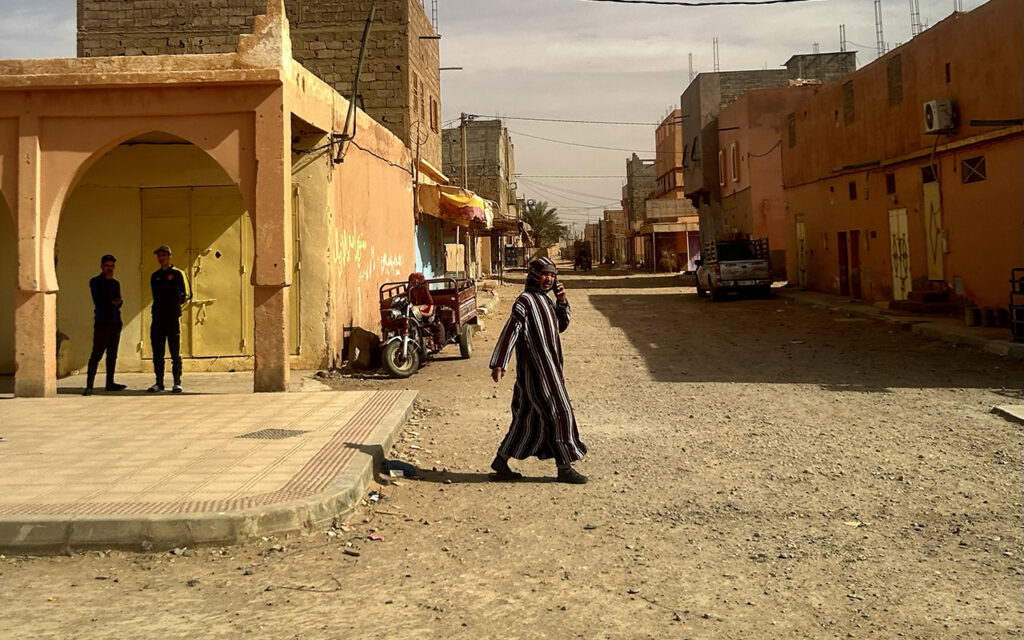
Do you need French in Morocco?
Not always – but it definitely helps.
You can absolutely travel in Morocco without speaking French or Arabic fluently. We did. But knowing a few words makes the whole experience smoother, warmer, and a lot more fun.
Even just a little bit helps with:
• ordering food
• buying things
• parking
• asking for directions
• chatting with locals
• and generally feeling less lost
You do not need to become some Duolingo warrior before your trip.
But learning a few words?
Very worth it.
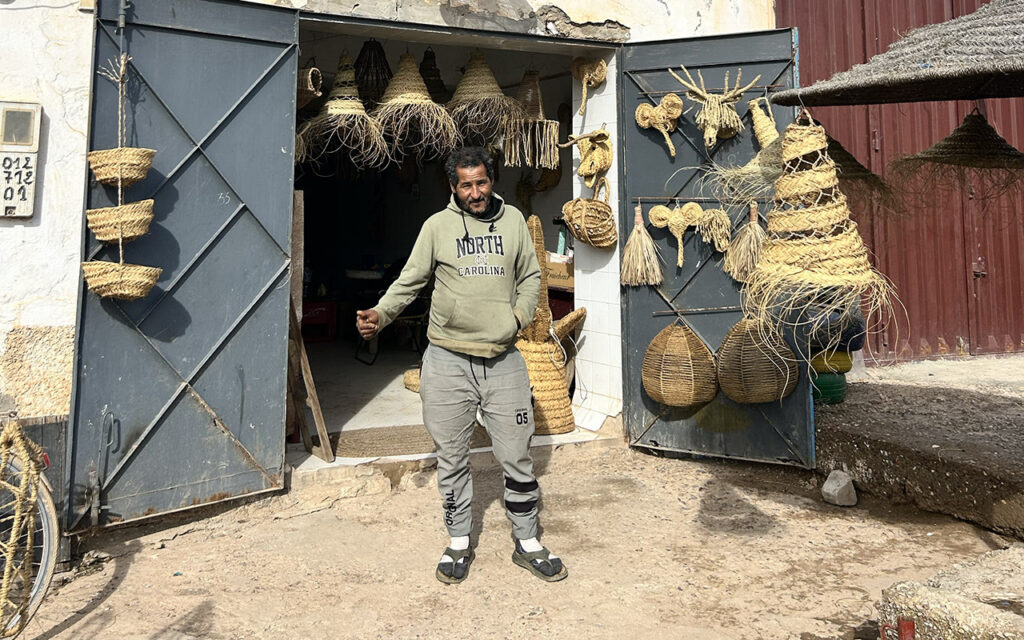
A few useful words to know in Morocco
Useful words and phrases in Morocco
| Word/phrase | Meaning | When you’ll use it |
| Shukran | Thank you | All the time |
| Salam alaikum | Peace be upon you / Hello | Friendly greeting |
| Wa alaikum salam | And peace be upon you | Reply to greeting |
| La shukran | No, thank you | Very useful in markets 😄 |
| Inshallah | God willing / hopefully / maybe | You’ll hear it everywhere |
| Bonjour | Hello (French) | Constantly |
| Merci | Thank you (French) | Also used a lot |
| Combien? | How much? (French) | Essential |
| Oui / Non | Yes / No (French) | Obvious but useful |
| Bslama | Goodbye | Cute one to know |
Final thoughts
You don’t need perfect French.
You don’t need Arabic.
And you definitely don’t need to be good at pronunciation.
What matters most in Morocco is just being open, smiling, and trying.
Even if the conversation is a complete mess.
Even if both sides are guessing.
Even if you accidentally buy twice as much mobile data as you wanted.
Sometimes, somehow, communication in Morocco still works.
Shukran, Inshallah, and everything in between.