Why is Chefchaouen blue?
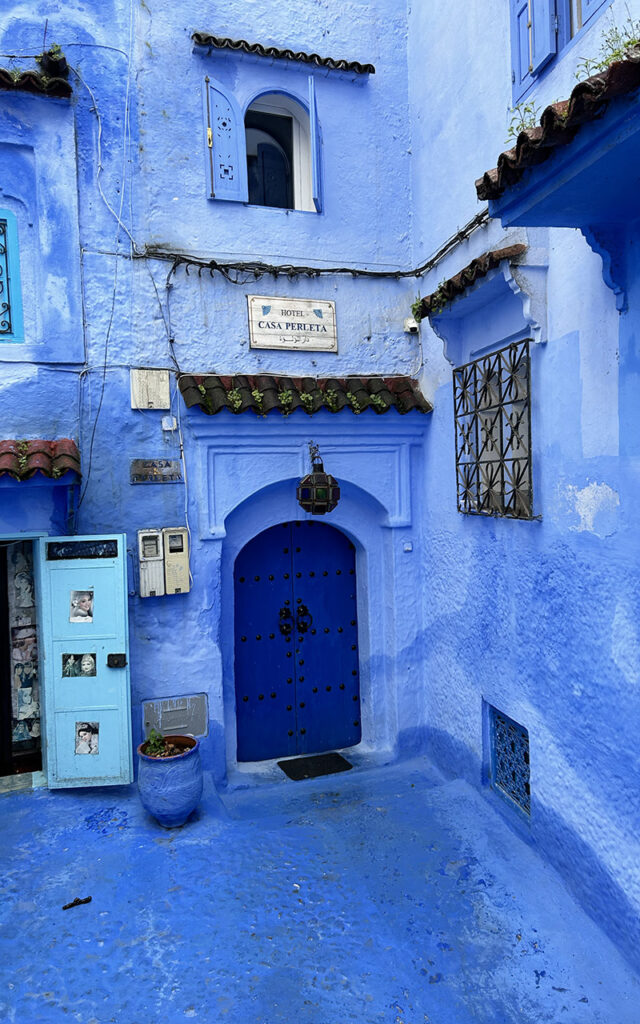
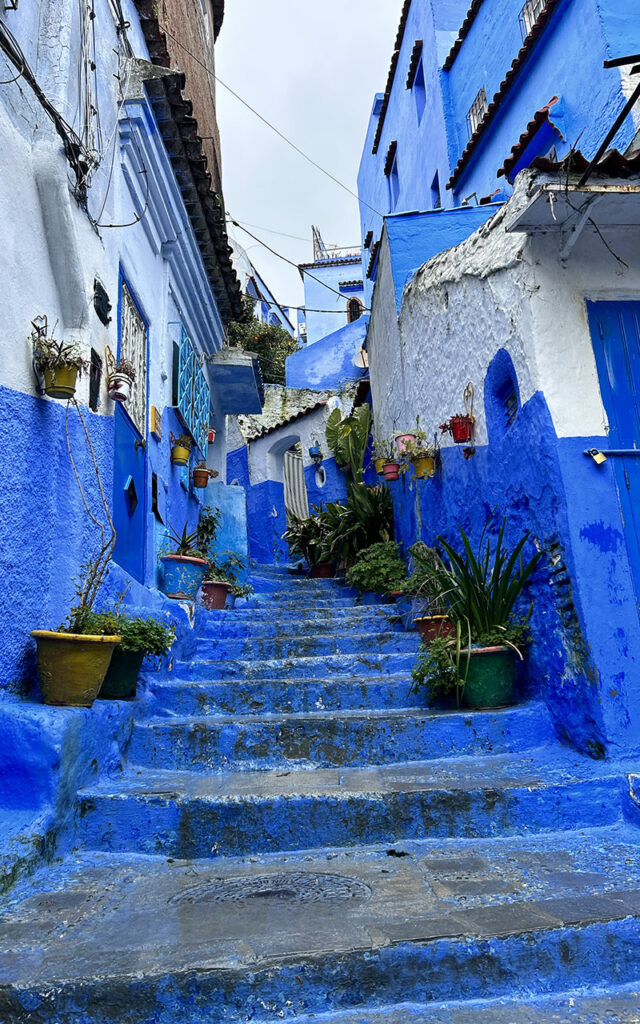
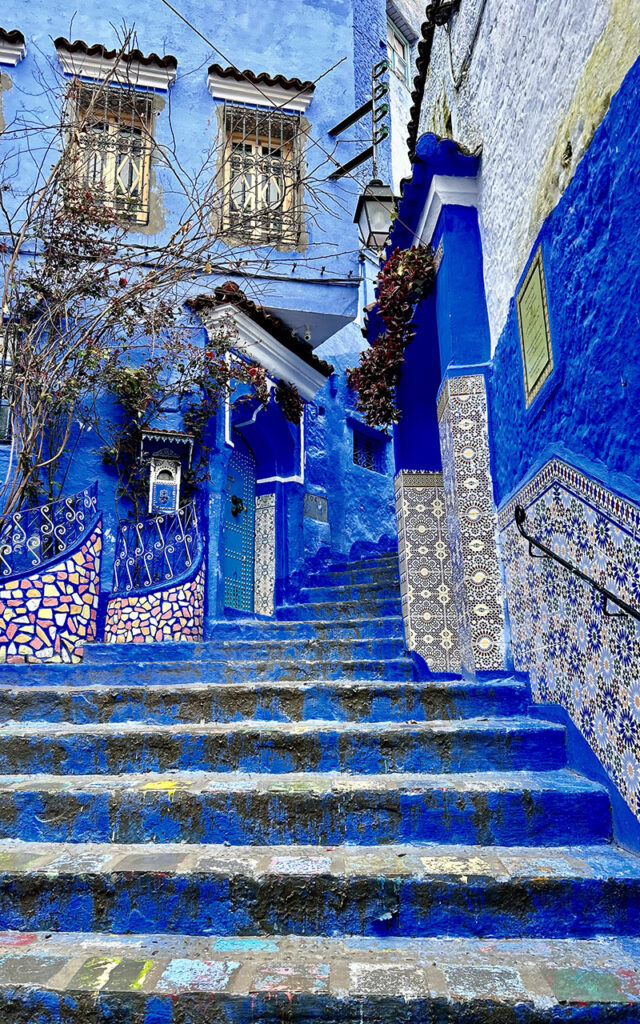
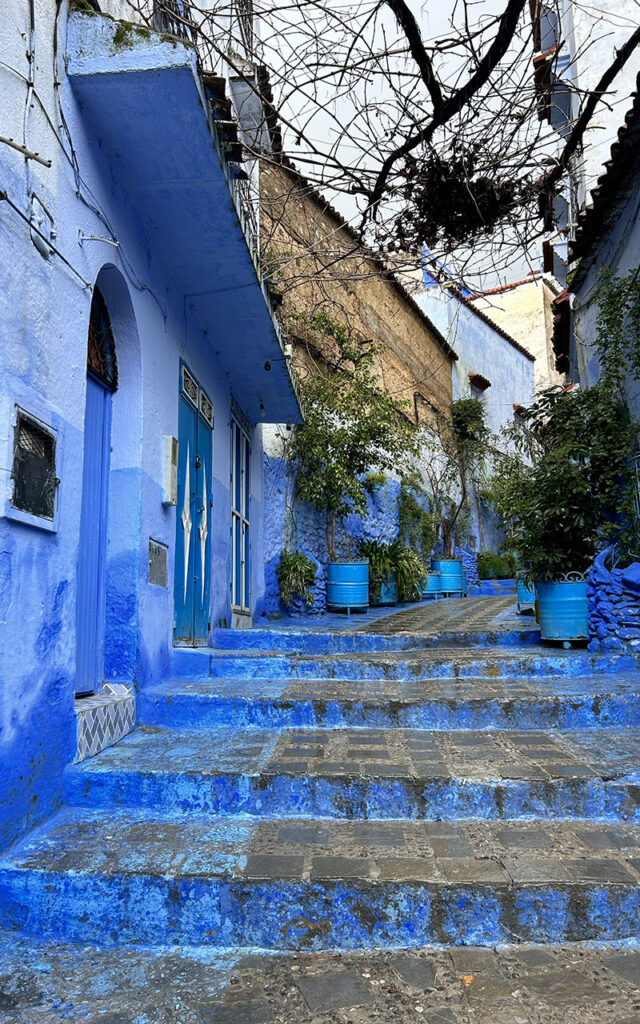
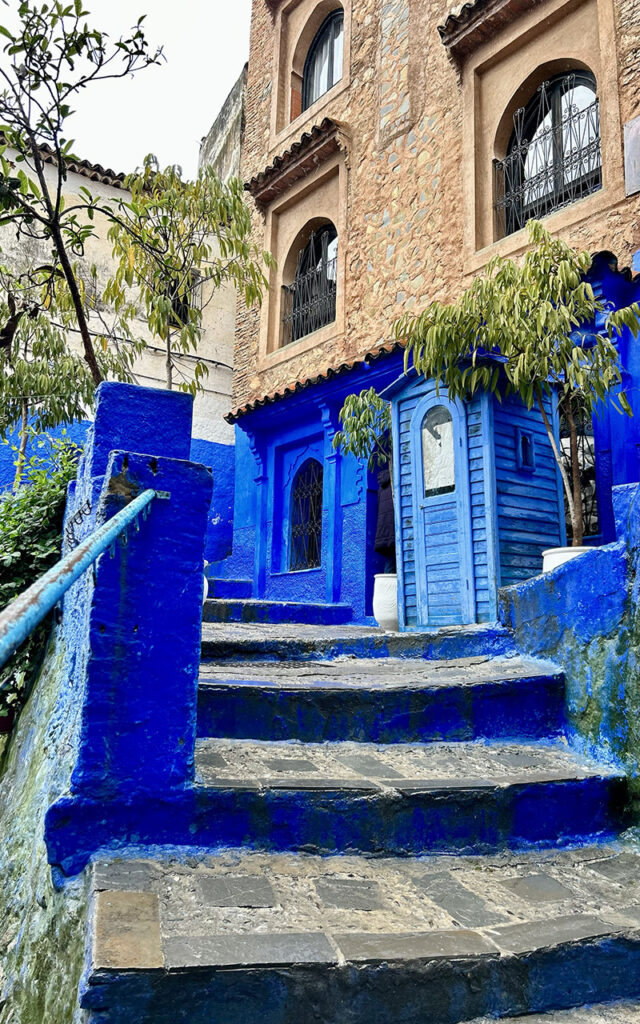
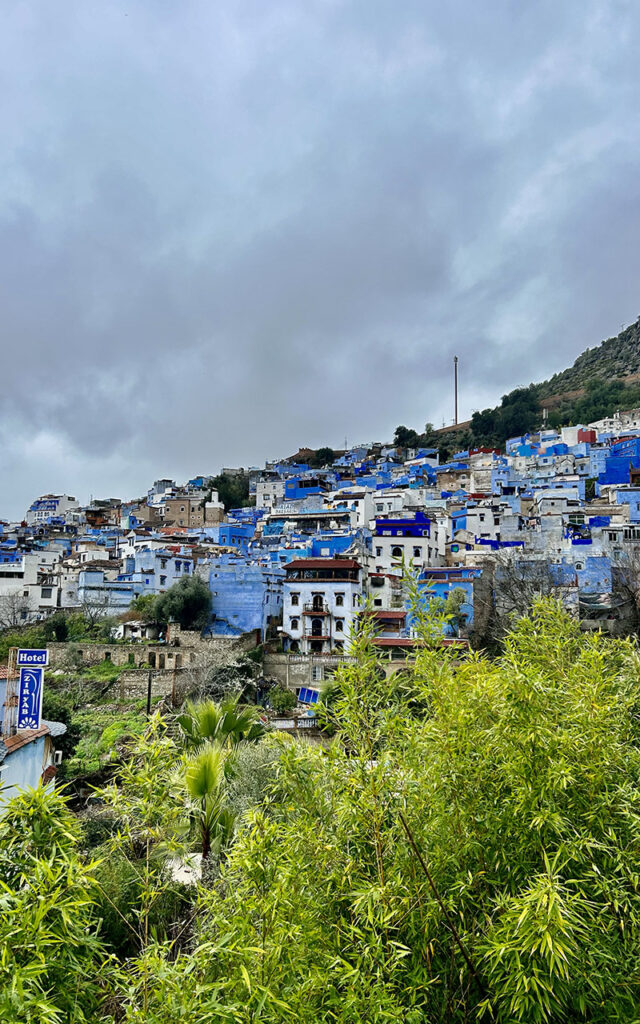
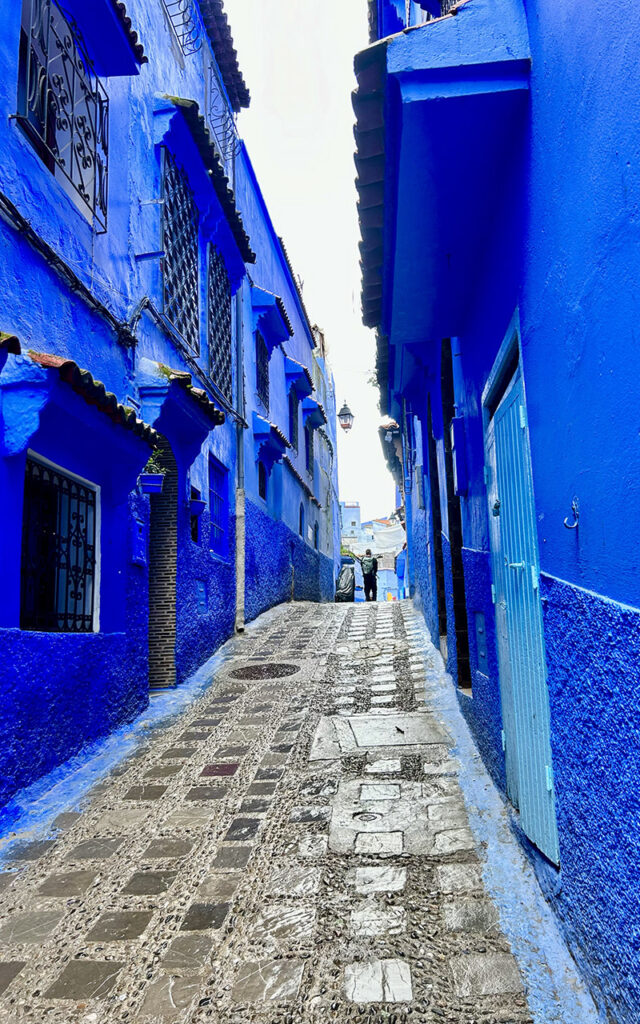
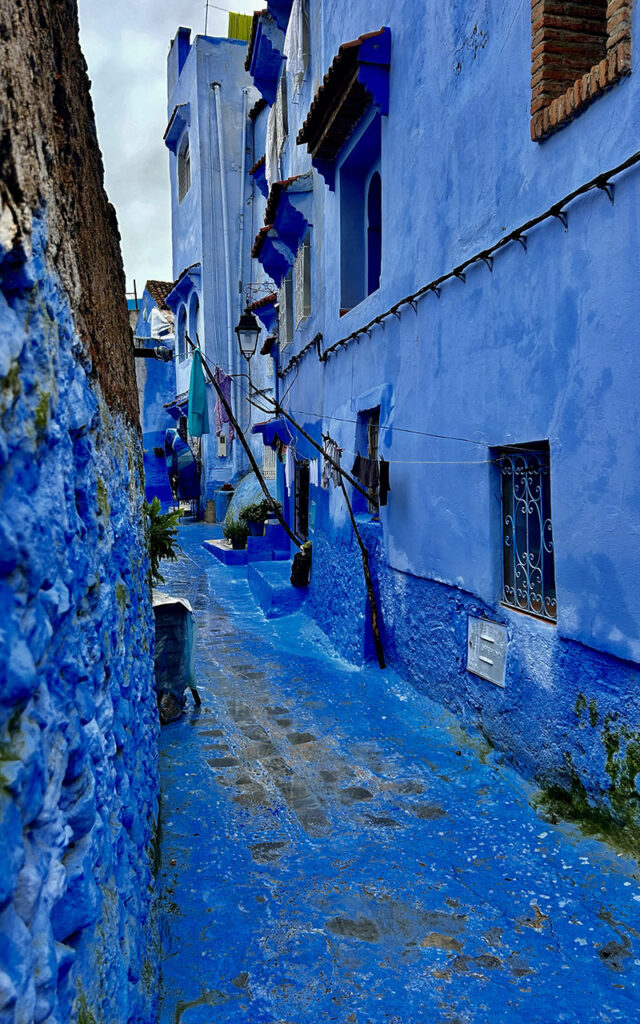
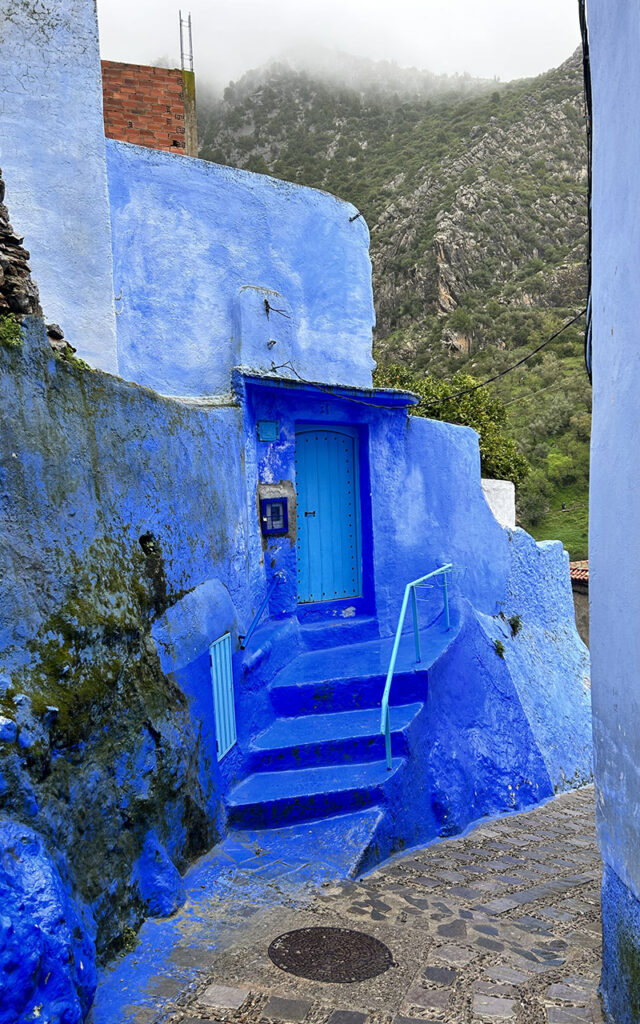
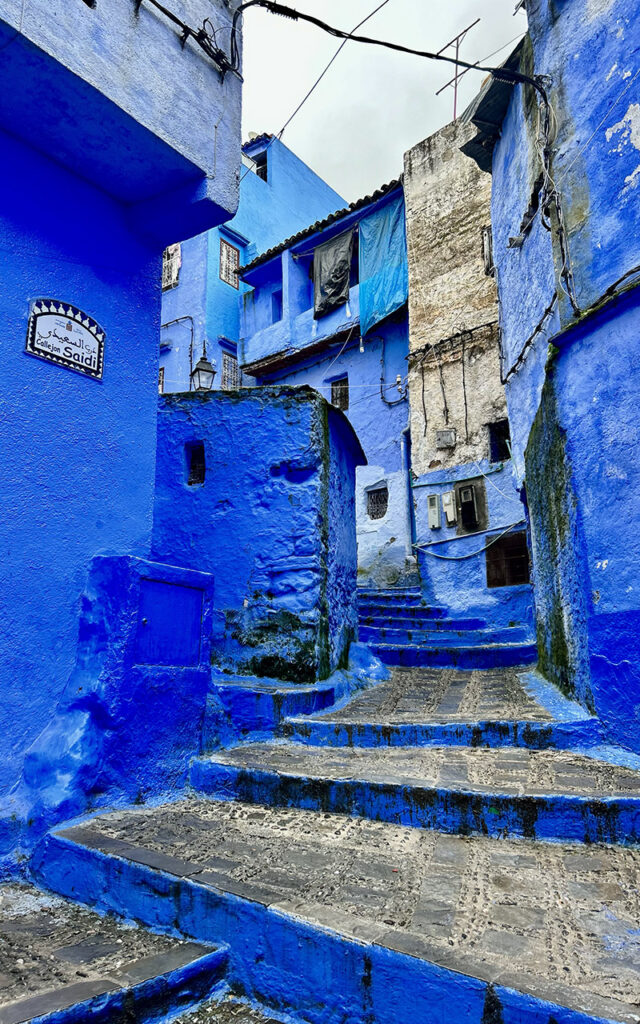
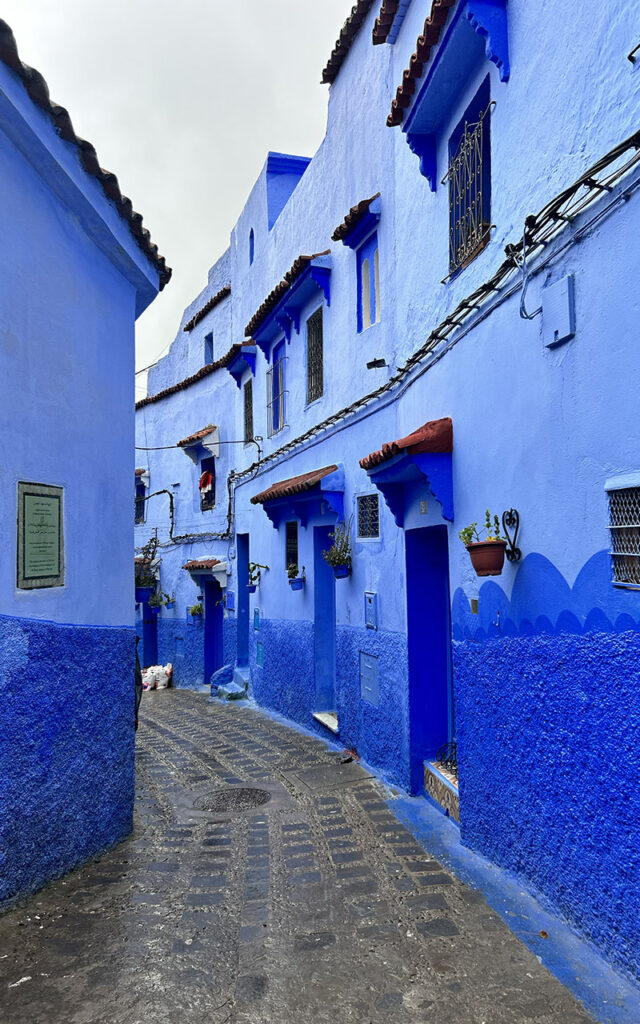
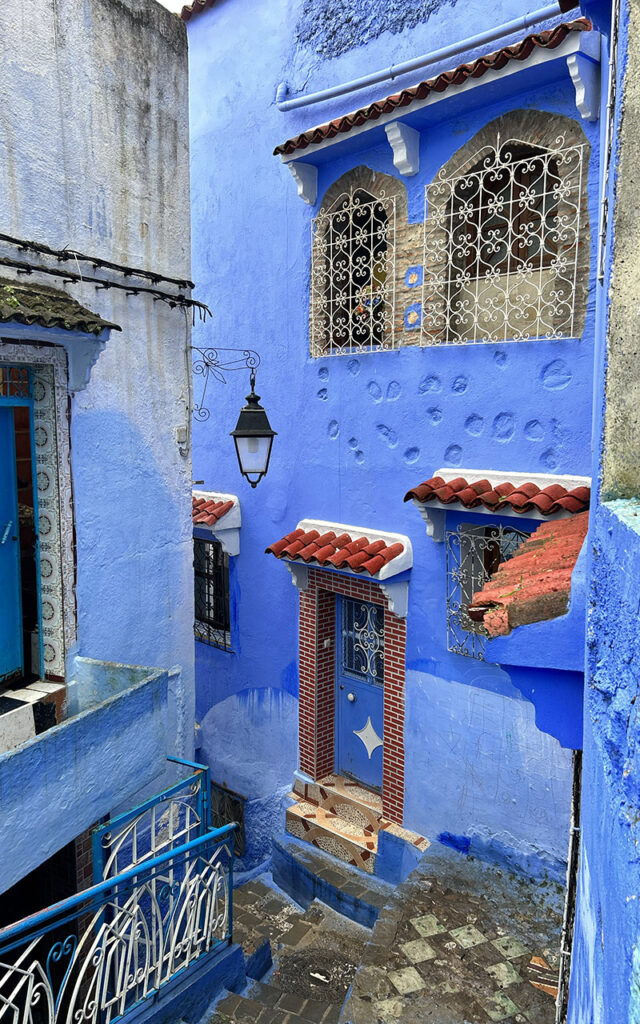
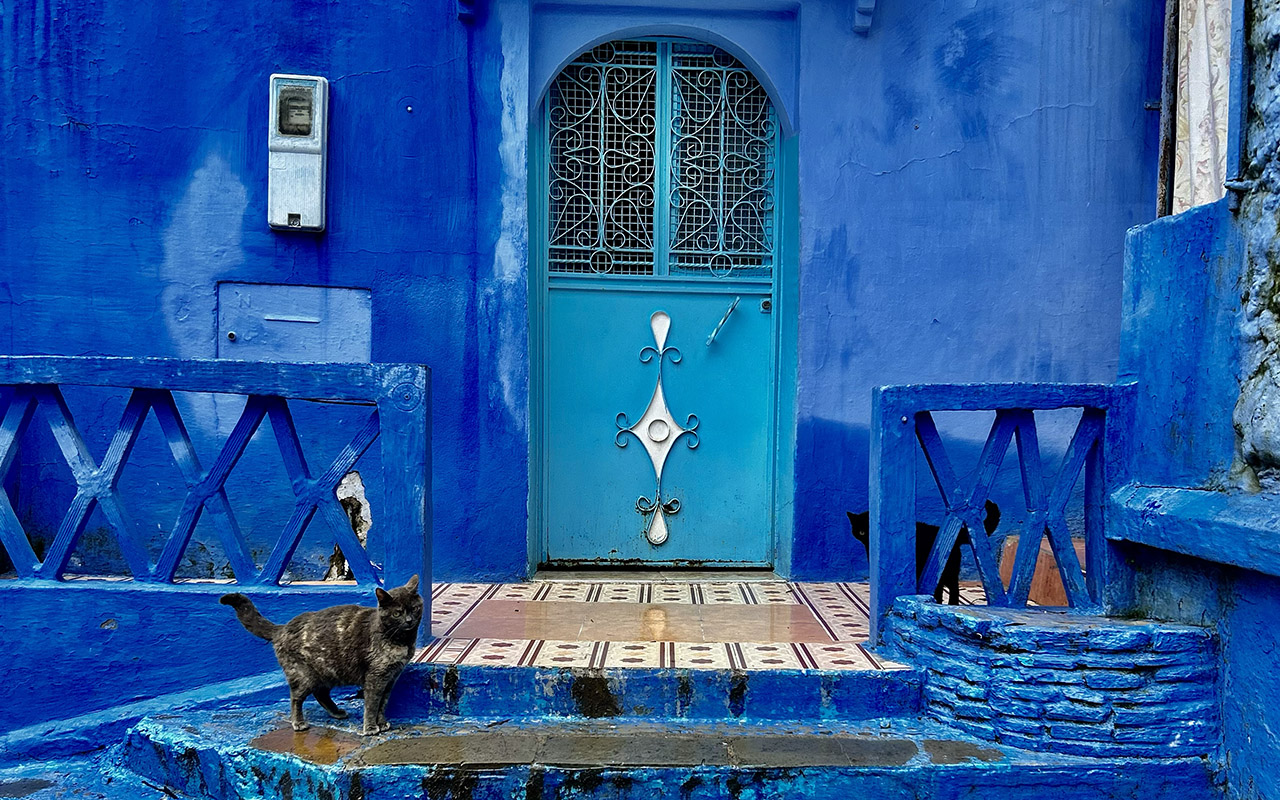
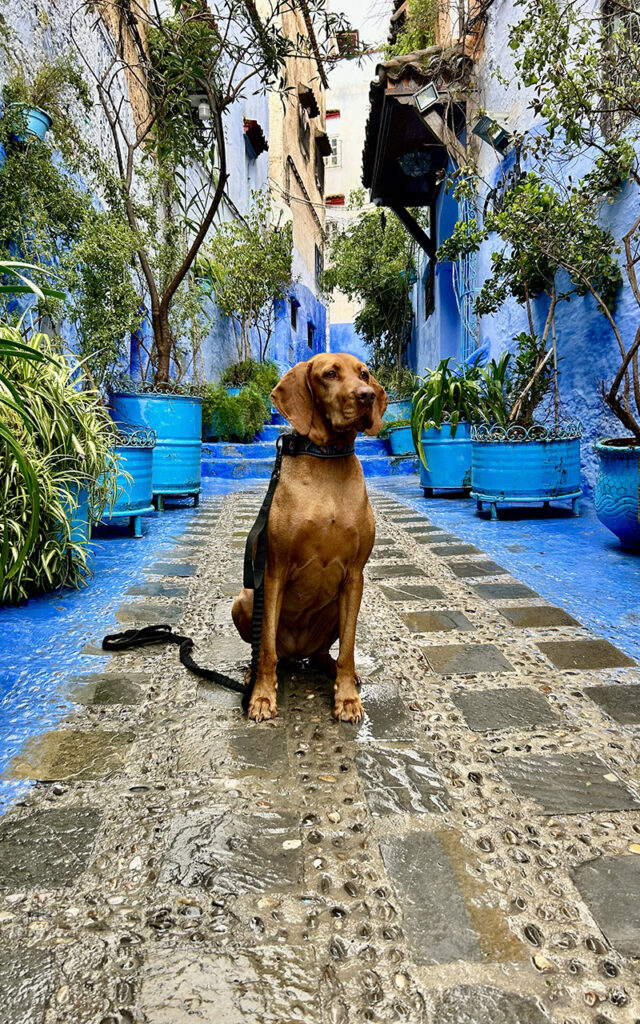
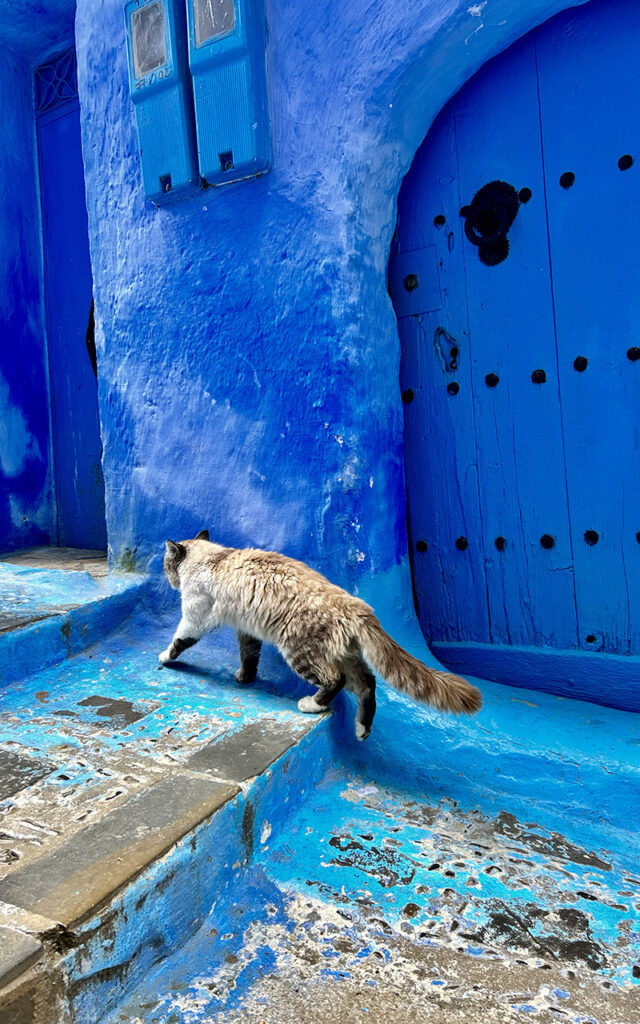
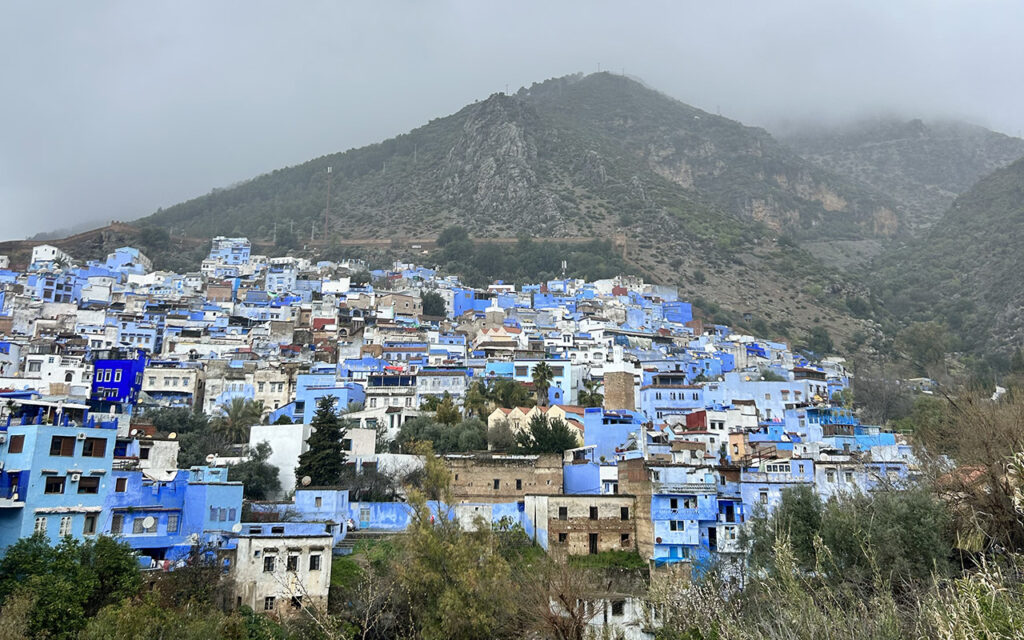
If you arrive in Chefchaouen for the first time, the first feeling is a little unreal. Everything is blue. Walls, stairs, doors, small alleys, flower pots. Sometimes light sky blue, sometimes deep indigo. It almost feels like someone spilled a bucket of paint over the whole town.
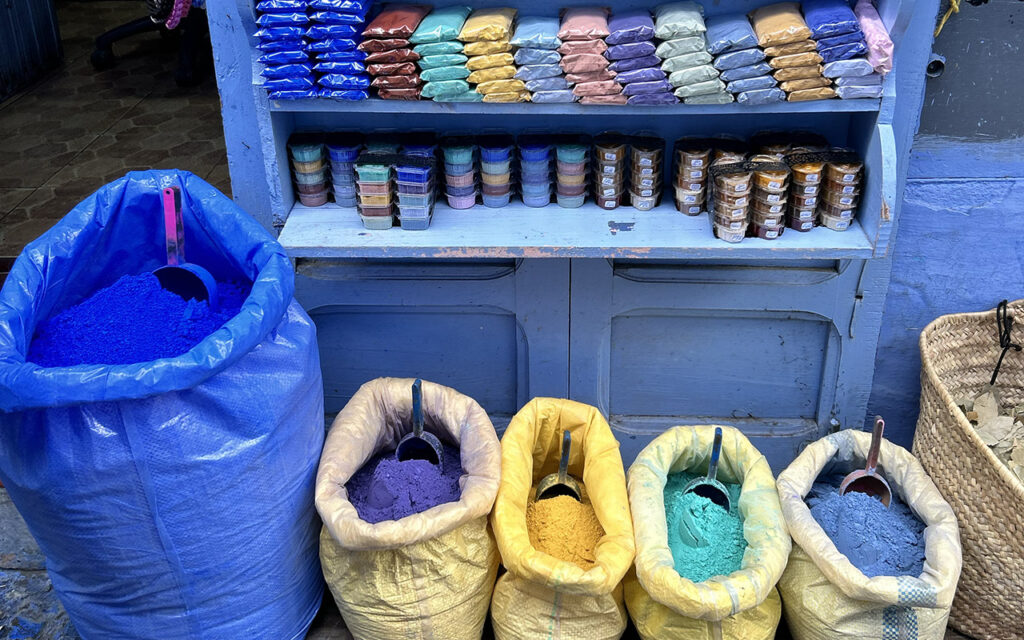
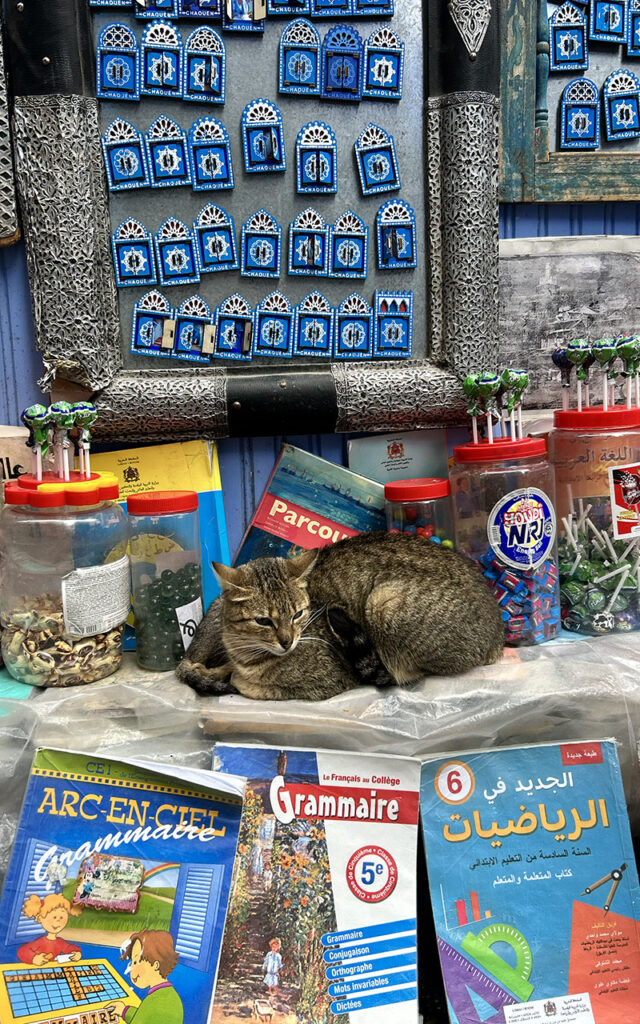
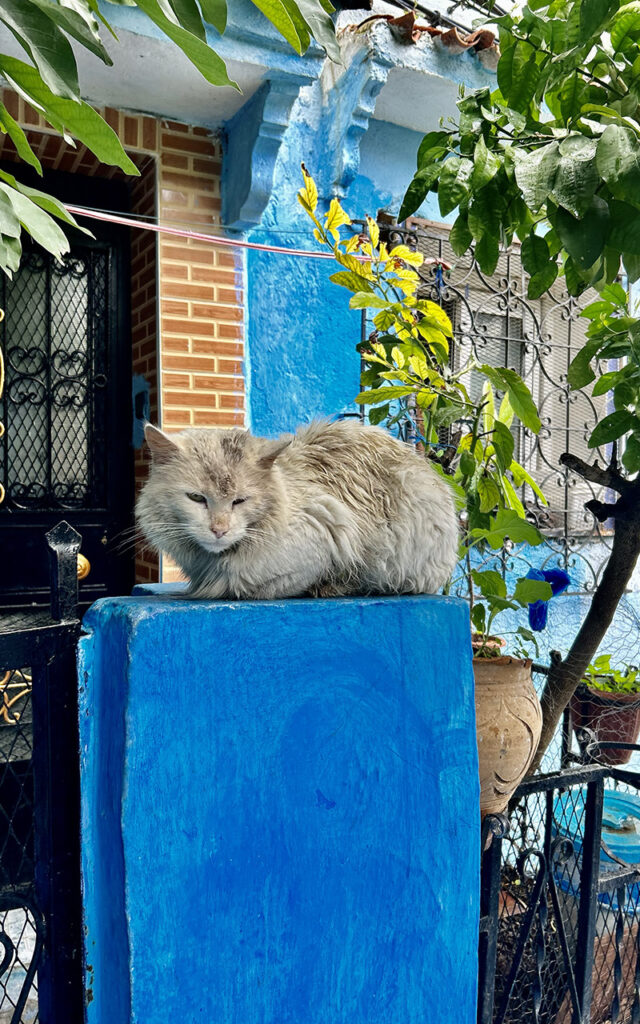
Walking through the medina feels almost like wandering inside a painting. Blue stairs disappear into tiny alleys, cats sleep in doorways, and colorful carpets hang on the walls. Every small corner looks photogenic. Even if you’ve seen hundreds of photos online, the atmosphere in person feels different – calm, quiet, and slightly magical.
I’ve been to Chefchaouen twice, during two different trips through Morocco, and both times I made sure not to skip it. It’s one of those places that pulls you back. Even though it’s popular with visitors, the town still feels peaceful. Sometimes you turn into a narrow street and suddenly it’s completely quiet – just blue walls, soft mountain light, and maybe a sleepy cat on the steps.
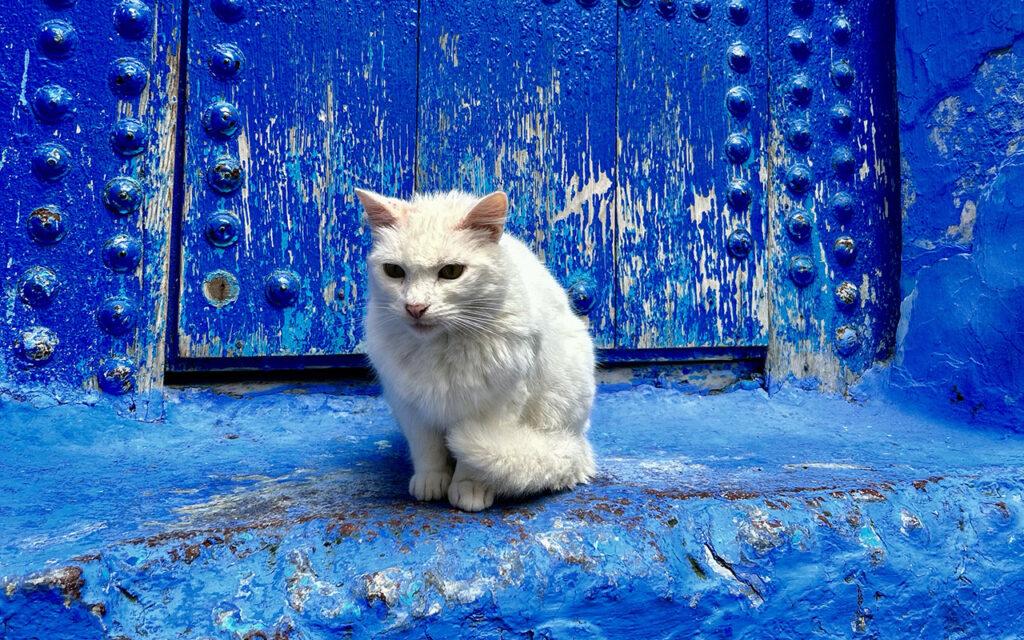
But why is this small mountain town in northern Morocco painted blue?
One of the most common explanations goes back to the 15th century, when Jewish refugees arrived in Chefchaouen after fleeing Spain during the Spanish Inquisition. In Jewish tradition, the color blue symbolizes the sky and heaven, reminding people of spirituality and God. Many historians believe these communities started painting the buildings blue, and the tradition remained long after.
Another explanation is more practical. Locals often say the blue color helps keep the town cooler during the hot summer months. Light colors reflect sunlight better than darker ones, and the narrow streets of the medina benefit from that.
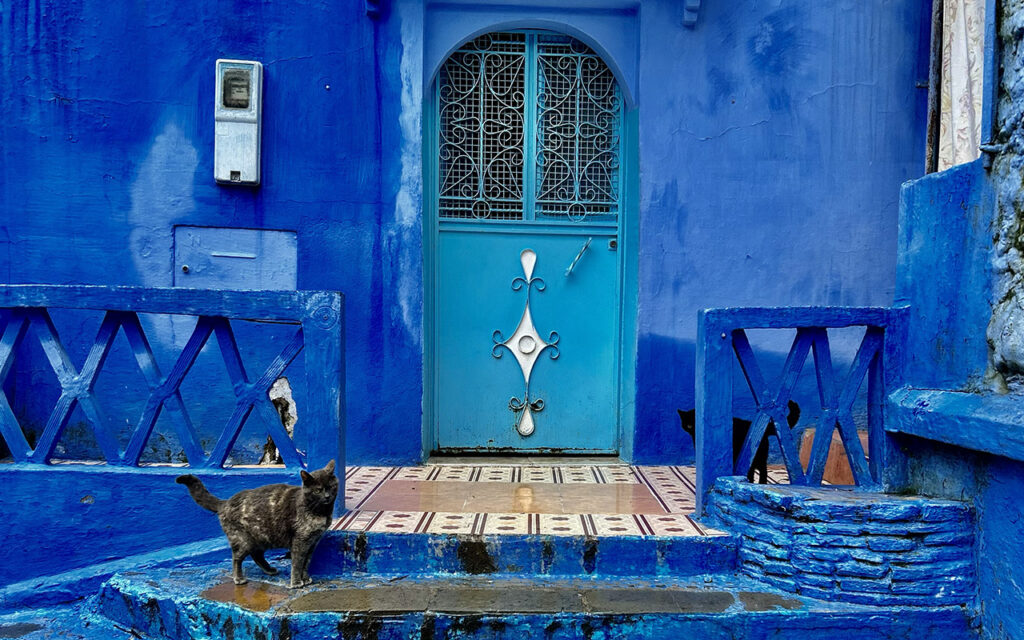
Some people in Chefchaouen will give you a different answer altogether. They’ll say the blue paint helps keep mosquitoes away. Whether that’s scientifically true or not is still debated, but it’s a story you’ll hear more than once while talking to locals.
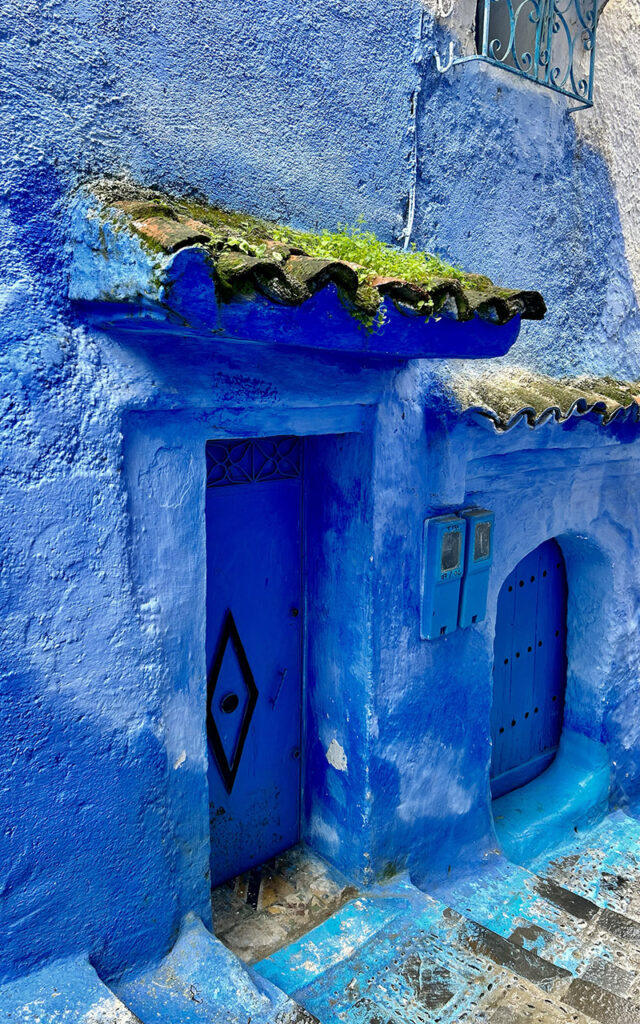
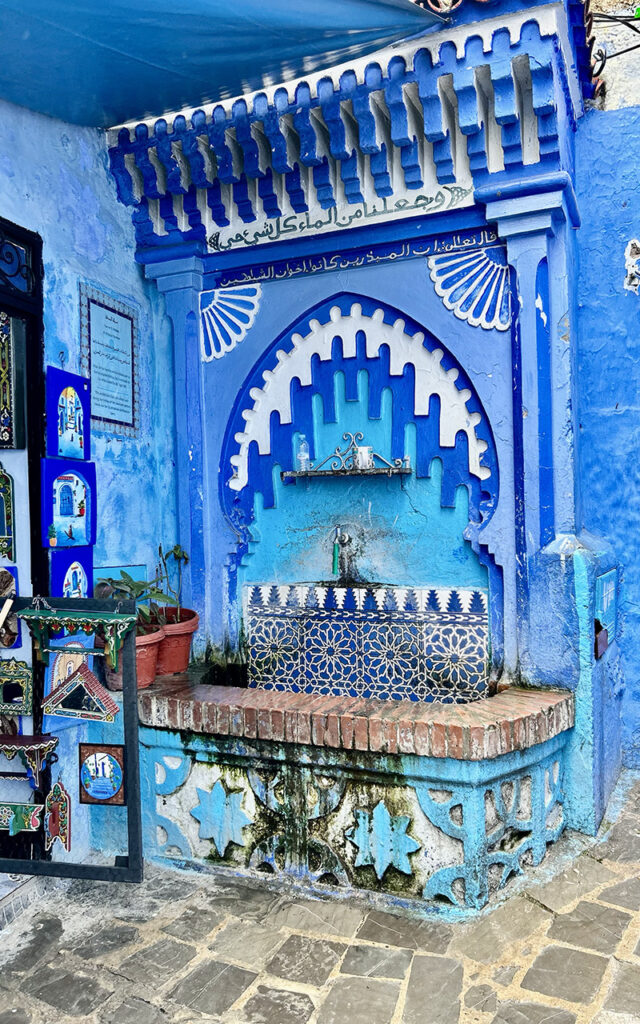
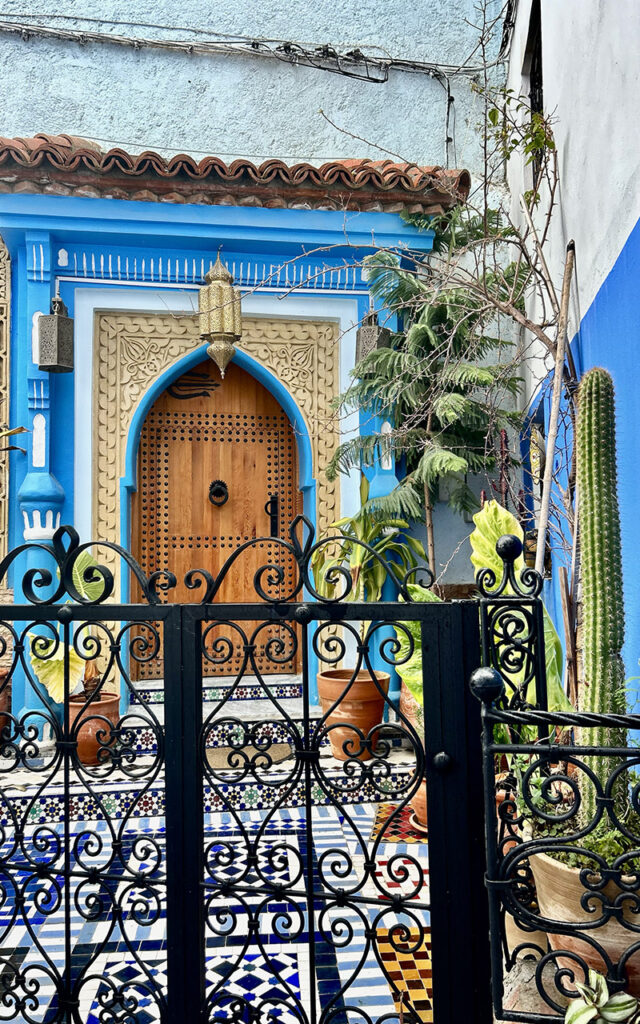
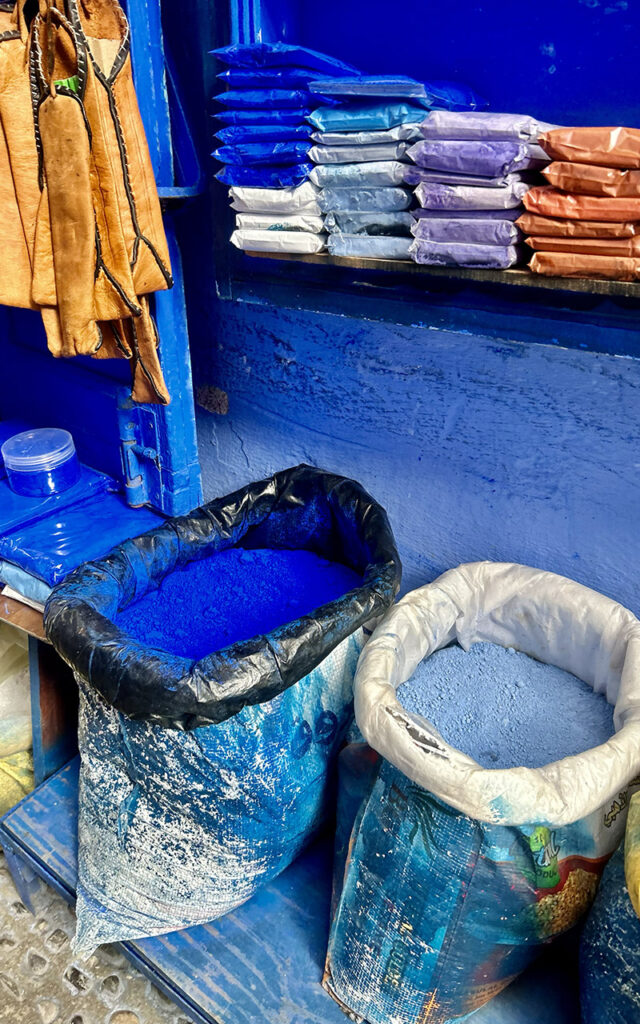
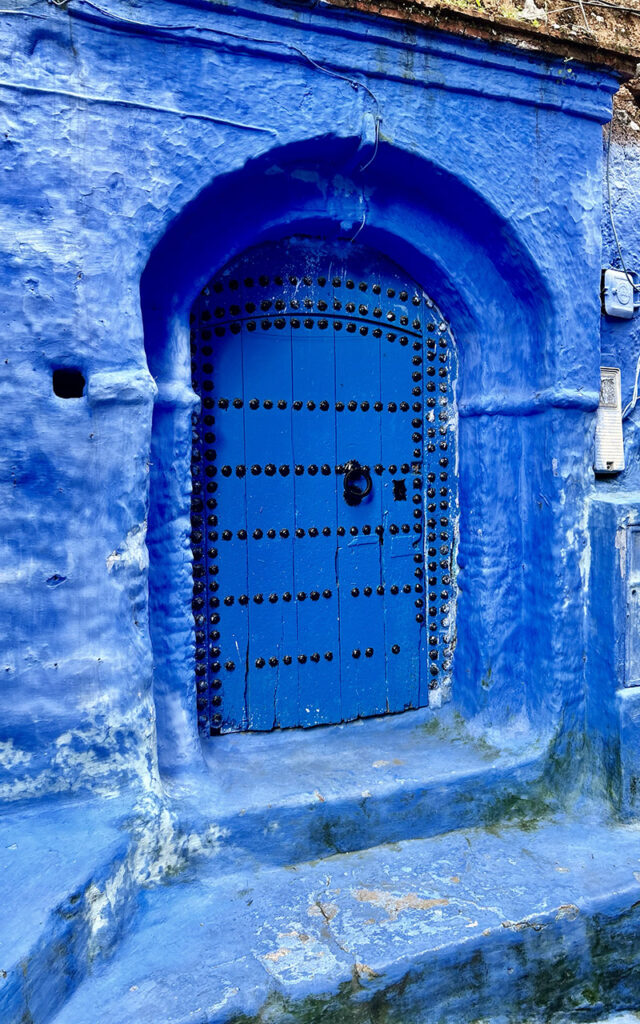
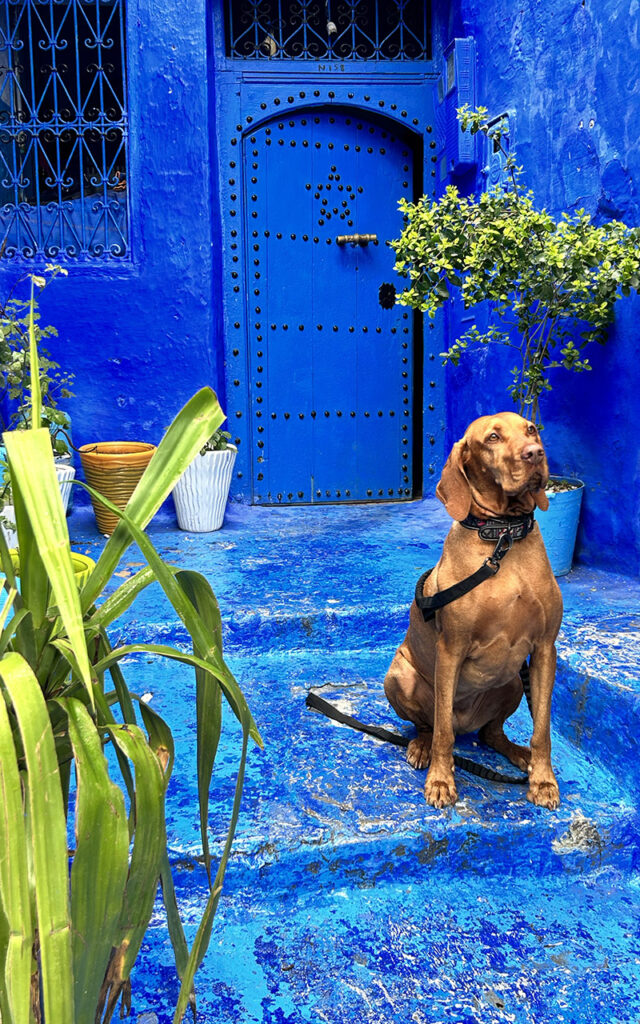
There is also a very simple reason today: people kept painting the town blue because visitors loved it. Over time Chefchaouen became known as the “Blue City,” and tourism grew. Locals regularly repaint walls, doors, and stairs to keep the color fresh and beautiful.
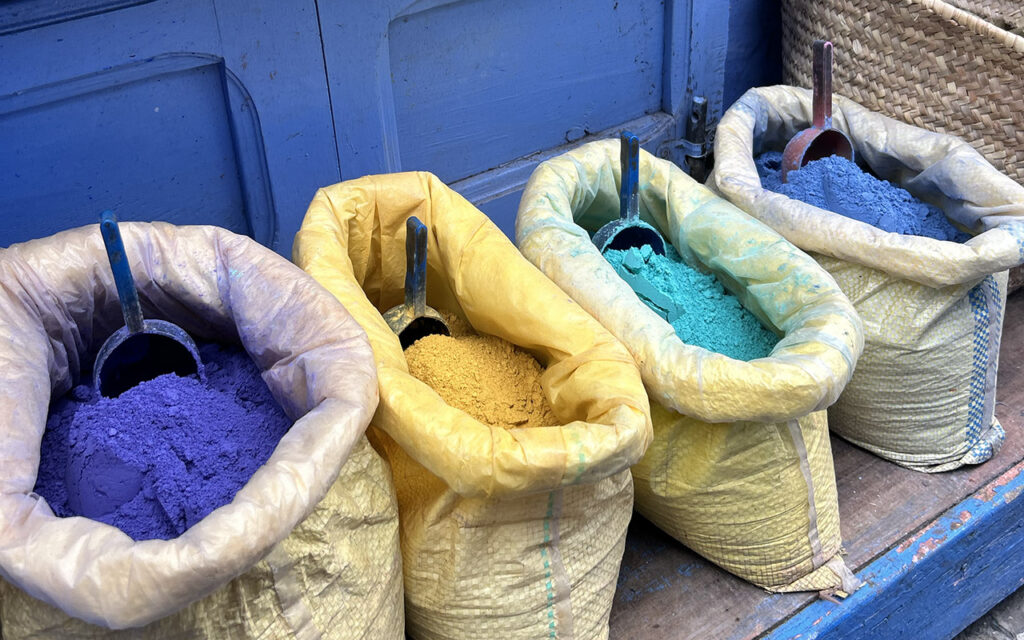
Interestingly, Chefchaouen was not always this blue. Many buildings were originally white or natural stone. The blue tradition expanded gradually over the decades and eventually became the town’s most famous feature.
So the real answer to why Chefchaouen is blue is probably not just one reason. It’s history, religion, climate, tourism, and local pride all mixed together.
And maybe that’s exactly what makes it so special.
If you’re planning a road trip to the Rif Mountains, make sure to read my driving in Morocco tips to navigate the winding roads safely.