Traveling Morocco during Ramadan: what tourists should expect
We spent almost two months in Morocco this winter – roughly from mid-January until mid-March – and Ramadan started while we were already there. Because we travel with our camper van and move around a lot, we experienced Ramadan in many different parts of the country.
Ramadan is the most important month in the Islamic calendar. During this time Muslims fast every day from sunrise until sunset, meaning they do not eat or drink during daylight hours. The fast is broken after sunset with the evening meal called iftar.
If you’re planning a trip to Morocco and notice that it overlaps with Ramadan, you might wonder if it’s a problem for tourists. From our experience – not really. But the rhythm of the country definitely changes.
Finding food during the day
Before coming, we expected that eating during the day would be difficult. Surprisingly, it really wasn’t.
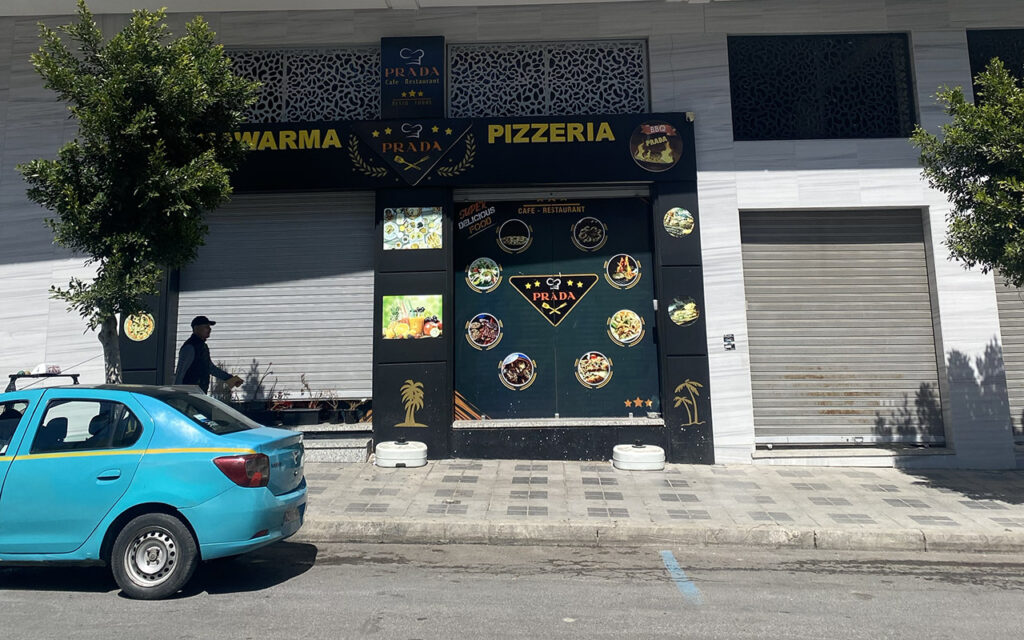
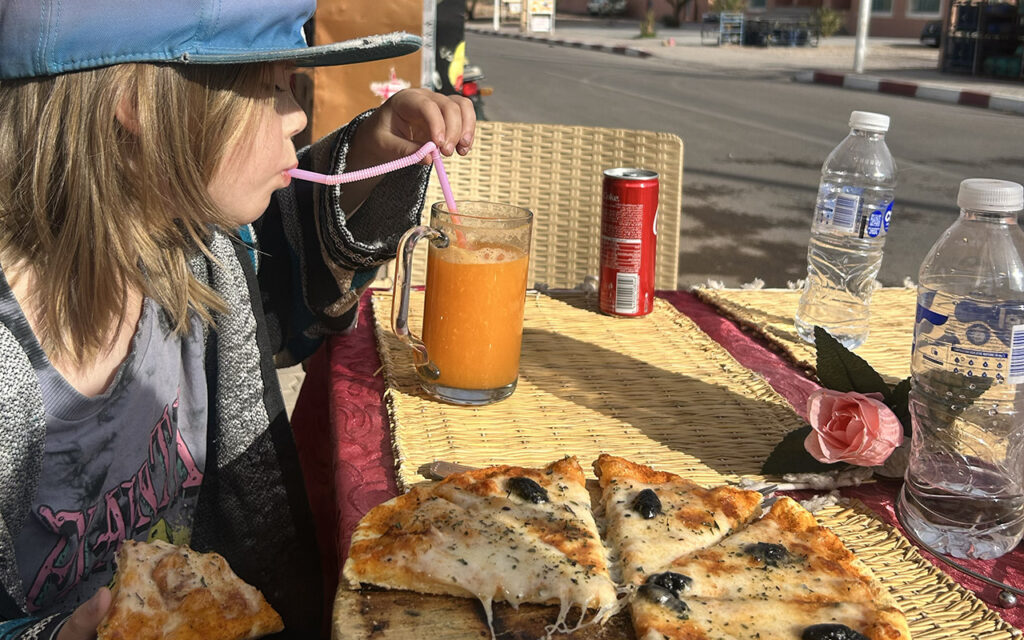
Morocco is very used to tourists, and even if many locals are fasting, restaurants in tourist areas usually stay open. We never had serious trouble finding food or coffee during the day. People seemed completely fine serving tourists even while they themselves were fasting.
Of course, smaller local places might close, but overall it felt much easier than we had expected.
The strange quiet before sunset
One thing we noticed almost everywhere was the moment just before sunset.
Suddenly the streets would become strangely quiet. Shops closed, people disappeared, and cities that had been busy only minutes earlier felt almost empty. It looked like everyone rushed home at the same time.
And then sunset happens.
When the fast breaks
Right after sunset, families break the fast with iftar. From what we saw, many people gather around tables prepared in advance with food.
In several coastal cities we noticed groups of families sitting together at tables along promenades or near the beach. The tables were already set before sunset, and the moment the sun went down, everyone started eating together.
It felt less like a normal dinner and more like a small celebration happening every single evening.
Moroccan hospitality during Ramadan
One of our favorite Ramadan moments happened in a children’s playground near the beach.
A local family was having their evening meal there with their kids. At some point they started bringing cakes and small pastries to our table and insisted that my six-year-old son try them. Even though they had been fasting the entire day, they were still happy to share their food with strangers.
That moment says a lot about Moroccan hospitality.
The mysterious night drummer
One night in Chefchaouen we woke up around 2 AM to someone loudly beating a drum in the streets.
At first we had no idea what was happening. Later we learned that in some places a person walks through the town at night during Ramadan to wake people up before sunrise so they can eat before the daily fast begins.
It’s a tradition that still exists in some Moroccan towns.
The different rhythm of the day
Another interesting thing we noticed during Ramadan is how the rhythm of the day changes.
During the daytime many people seem calmer and slower. That makes sense when you think about it – they are not eating, drinking water, or even having coffee from sunrise until sunset.
But then the moment the fast is broken, everything shifts.
Cafés fill up, people meet friends, families go out, and streets suddenly become lively again. In some places the evenings feel even more energetic than during normal times.
A small reality check
At the same time, Morocco is a big and diverse country, and not everyone lives Ramadan in exactly the same way.
For example, in Chefchaouen – a town where people try to sell hashish on almost every corner – we also saw locals casually smoking during Ramadan. So yes, traditions are strong, but people are people everywhere.
Traveling during Ramadan – easier with a camper
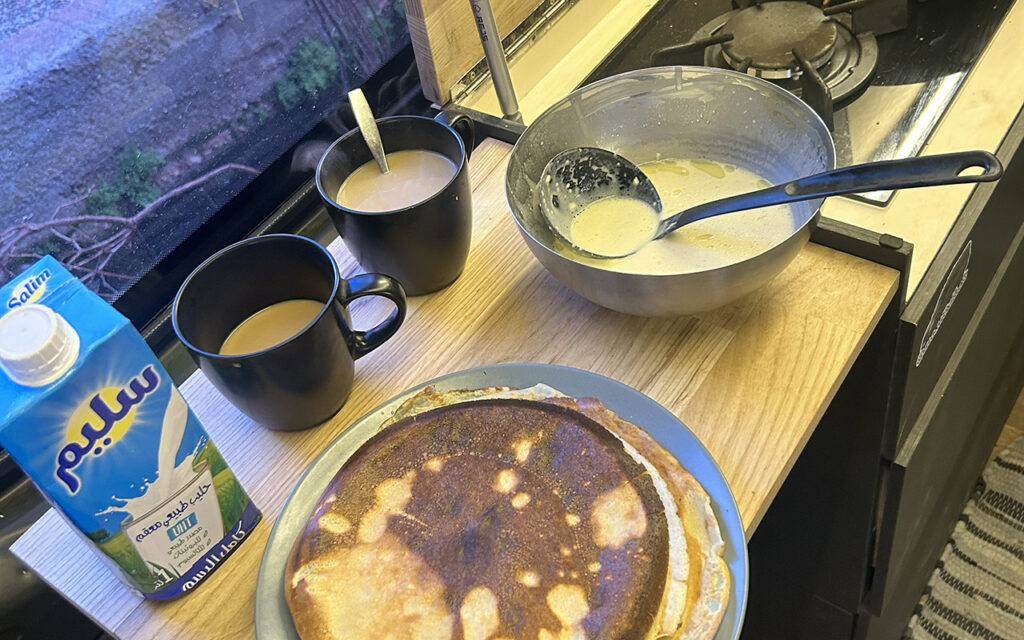
This time we were traveling with our camper van, which made things easier because we had our own kitchen.
Three years ago we visited Morocco with a rental car, and back then Ramadan felt slightly more complicated because we relied on restaurants for every meal.
With a van, it was simple – if something was closed, we could just cook ourselves.
Is Ramadan a good time to visit Morocco?
For us, absolutely.
Yes, the daily rhythm is different. Days are quieter, and nights become lively after sunset. But experiencing this cultural moment made the trip even more interesting.
Ramadan doesn’t ruin a trip to Morocco. In many ways, it lets you see a completely different side of the country.
Since we were traveling in our bus, we mostly cooked our own meals, which was a huge lifesaver – you can read more about how we managed our vanlife budget and groceries here.
If you’re curious about the deeper meaning behind this holy month, you can read more about what is Ramadan and how is it observed to get a better understanding of the local culture.